November 28, 2026
Back to articles
Dogs
Christmas Hazards for Pets: Keeping Your Furry Family Safe This Festive Season
Christmas is a wonderful time of year filled with family gatherings, delicious food, festive decorations and plenty of excitement. However, many of the things we enjoy during the festive season can pose unexpected risks to our four-legged family members.
A little extra awareness can help prevent an unexpected trip to the emergency vet and ensure everyone enjoys a happy, healthy Christmas.
1. Festive Foods to Keep Away From Pets
While it can be tempting to share your Christmas feast with your pet, many traditional festive foods can be harmful to dogs and cats.
Some of the biggest culprits include:
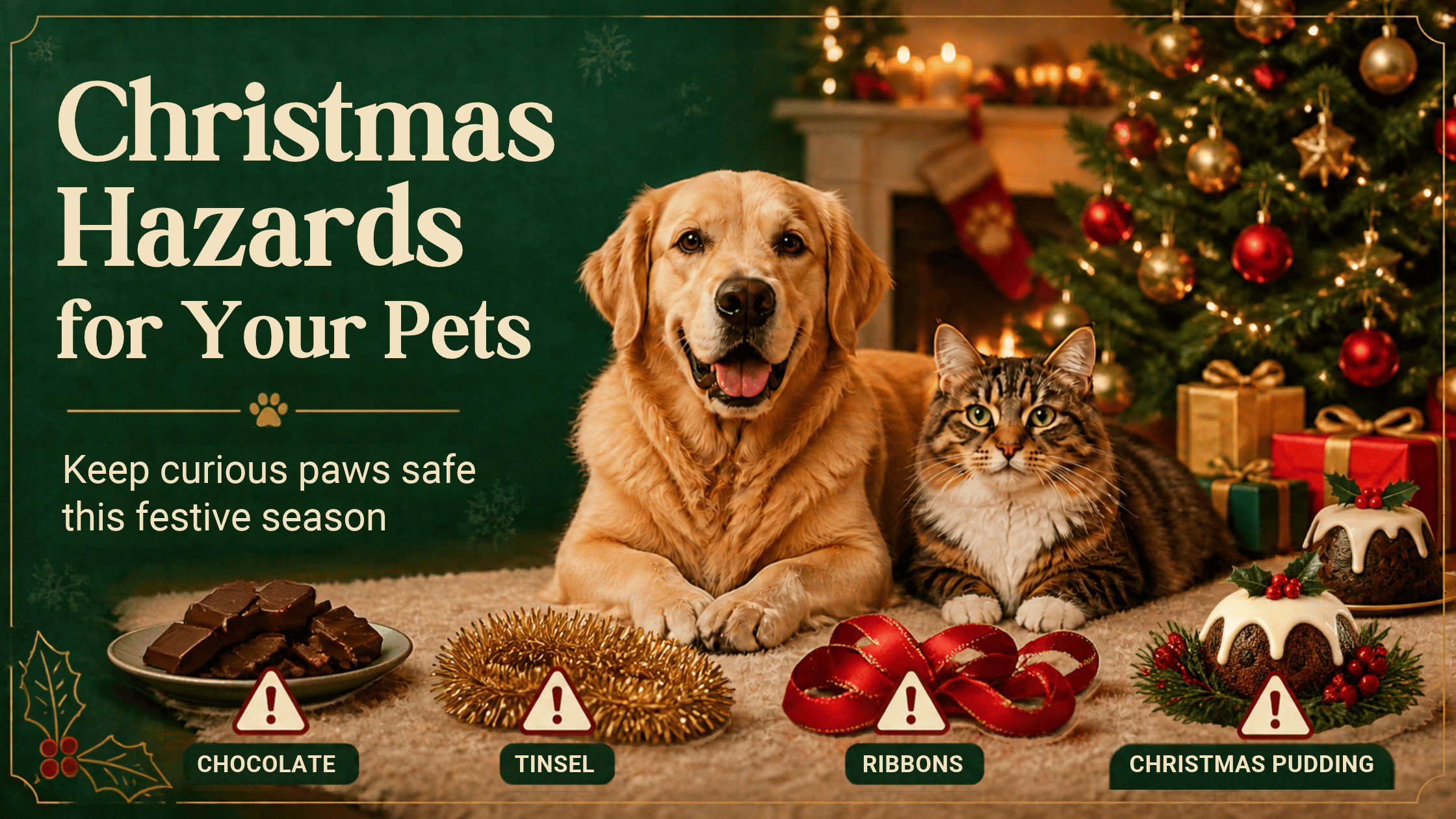
- Chocolate: Particularly dark and cooking chocolate, which contain higher concentrations of theobromine.
- Christmas pudding, mince pies and fruitcake: Grapes, raisins and sultanas can cause acute kidney failure in dogs, even in small quantities.
- Christmas ham and fatty leftovers: Rich, fatty foods can trigger pancreatitis, a painful and potentially serious condition.
- Cooked bones: These can splinter, cause choking, damage the digestive tract or lead to intestinal blockages.
- Onions, garlic and leeks: Commonly found in stuffing, gravy and salads, these can damage red blood cells in dogs and cats.
- Macadamia nuts: Toxic to dogs and can cause weakness, vomiting and tremors.
- Xylitol: A sweetener found in some sugar-free products that can cause dangerously low blood sugar and liver damage in dogs.
- Alcohol: Even small amounts can be dangerous to pets.
Remember to remind visiting family and friends not to feed your pet scraps from the Christmas table, no matter how convincing those puppy dog eyes may be!
2. Christmas Trees and Decorations
Christmas decorations can be particularly enticing to curious pets, especially playful kittens and puppies.
Keep an eye out for:
- Tinsel, ribbons and string, which can cause serious intestinal complications if swallowed.
- Glass baubles that may break and cause cuts or injuries.
- Fairy lights and electrical cords that may be chewed.
- Small decorations, batteries and children's toys that can become choking hazards or cause internal injuries.
- Christmas tree water, which may contain fertilisers, additives or bacteria.
Ensure your Christmas tree is securely positioned and consider placing fragile or tempting decorations out of your pet's reach.
If you notice string or tinsel protruding from your pet's mouth or bottom, do not attempt to pull it out. Contact your veterinarian immediately.
3. Festive Flowers and Plants
Christmas floral arrangements and decorative plants can brighten up your home, but some can be harmful to pets.
Common plants to be mindful of include:
- Lilies: Extremely toxic to cats. Even small amounts of pollen or drinking water from a vase containing true lilies can cause life-threatening kidney failure.
- Mistletoe: Can cause gastrointestinal upset and, depending on the type and amount consumed, more serious complications.
- Holly: Can cause vomiting, diarrhoea and discomfort.
- Poinsettias: Generally less toxic than commonly believed, but can still cause irritation and gastrointestinal upset.
If you have cats, we strongly recommend avoiding true lilies and daylilies in your home altogether.
4. Christmas Gatherings and Anxious Pets
Extra visitors, excited children, loud music and changes to the household routine can be overwhelming for some pets.
Help your pet feel comfortable by:
- Providing a quiet, safe space where they can retreat undisturbed.
- Maintaining their usual feeding and exercise routine where possible.
- Supervising interactions between pets and visiting children.
- Ensuring guests are mindful of open doors and gates.
- Checking that your pet's microchip and identification details are up to date.
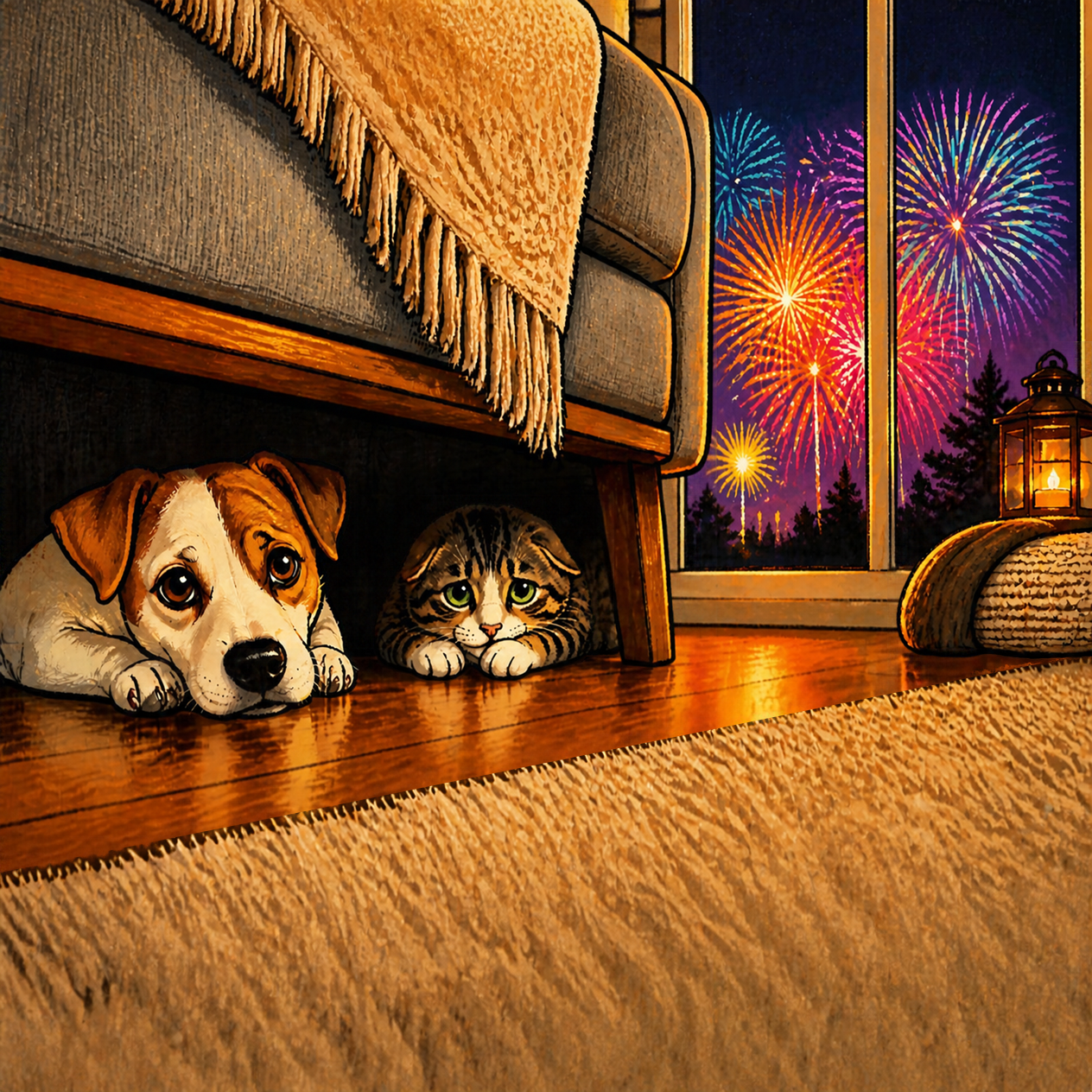
With New Year's Eve also approaching, now is a good time to speak with your vet if your pet experiences anxiety around fireworks or loud noises.
5. Summer Heat and Outdoor Celebrations
An Australian Christmas often means warm weather, outdoor entertaining and trips to the beach. Unfortunately, heatstroke is a serious risk for pets during the summer months.
To help keep your pet cool and comfortable:
- Always provide access to fresh drinking water and shade.
- Avoid exercising during the hottest parts of the day.
- Be mindful of hot pavement, artificial grass and sand.
- Never leave your pet unattended in a parked car.
- Take extra precautions with flat-faced breeds, elderly pets and pets with underlying health conditions.
Excessive panting, drooling, weakness, vomiting and collapse can all be signs of heatstroke. If you suspect heatstroke, begin cooling your pet with cool water and seek emergency veterinary attention immediately.
6. Christmas BBQs and Leftover Rubbish
Summer BBQs are a Christmas staple, but they come with a few additional hazards for pets.
Corn cobs, kebab skewers, meat packaging, cooked bones and even string used to tie meat can cause serious problems if swallowed, sometimes requiring emergency surgery.
Make sure rubbish bins are securely closed, leftovers are disposed of promptly and food is not left unattended within your pet's reach.
7. Be Prepared for the Christmas Break
With many veterinary clinics and medication suppliers operating on reduced hours over the festive period, a little forward planning can make all the difference.
Before Christmas, we recommend:
- Checking that your pet has enough regular medication to last throughout the holiday period.
- Arranging any necessary medication reviews or prescription refills.
- Ensuring vaccinations are up to date, particularly if your pet is staying at a boarding kennel or cattery.
- Checking your veterinary clinic's Christmas opening hours.
- Saving the contact details of your nearest emergency veterinary hospital.
What Should I Do If My Pet Eats Something They Shouldn't?
If you suspect your pet has eaten something toxic or swallowed a foreign object, contact your veterinarian or an emergency veterinary hospital immediately.
Do not wait for symptoms to develop, as some toxins can cause serious damage before your pet shows any obvious signs of illness.
Where possible, have the product packaging, approximate quantity consumed and time of ingestion available. Never attempt to induce vomiting at home unless specifically instructed by a veterinary professional.
Wishing You and Your Pets a Safe and Happy Christmas
Christmas should be a time for making wonderful memories with the whole family, including our beloved pets.
By taking a few simple precautions, you can help keep your furry family members safe, comfortable and happy throughout the festive season.
If you have any concerns about your pet's health or would like advice on preparing for the Christmas break, please don't hesitate to contact our friendly team.